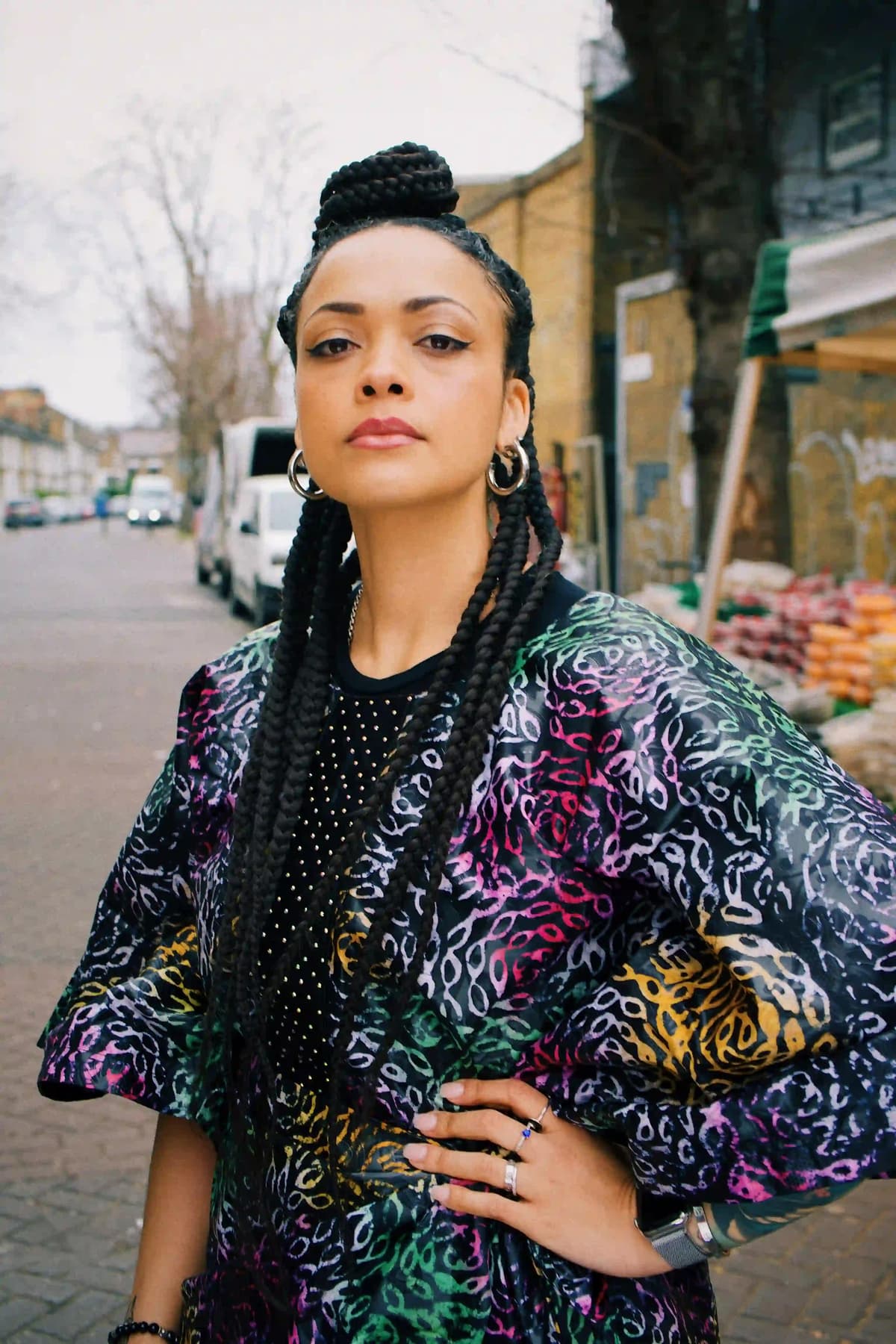
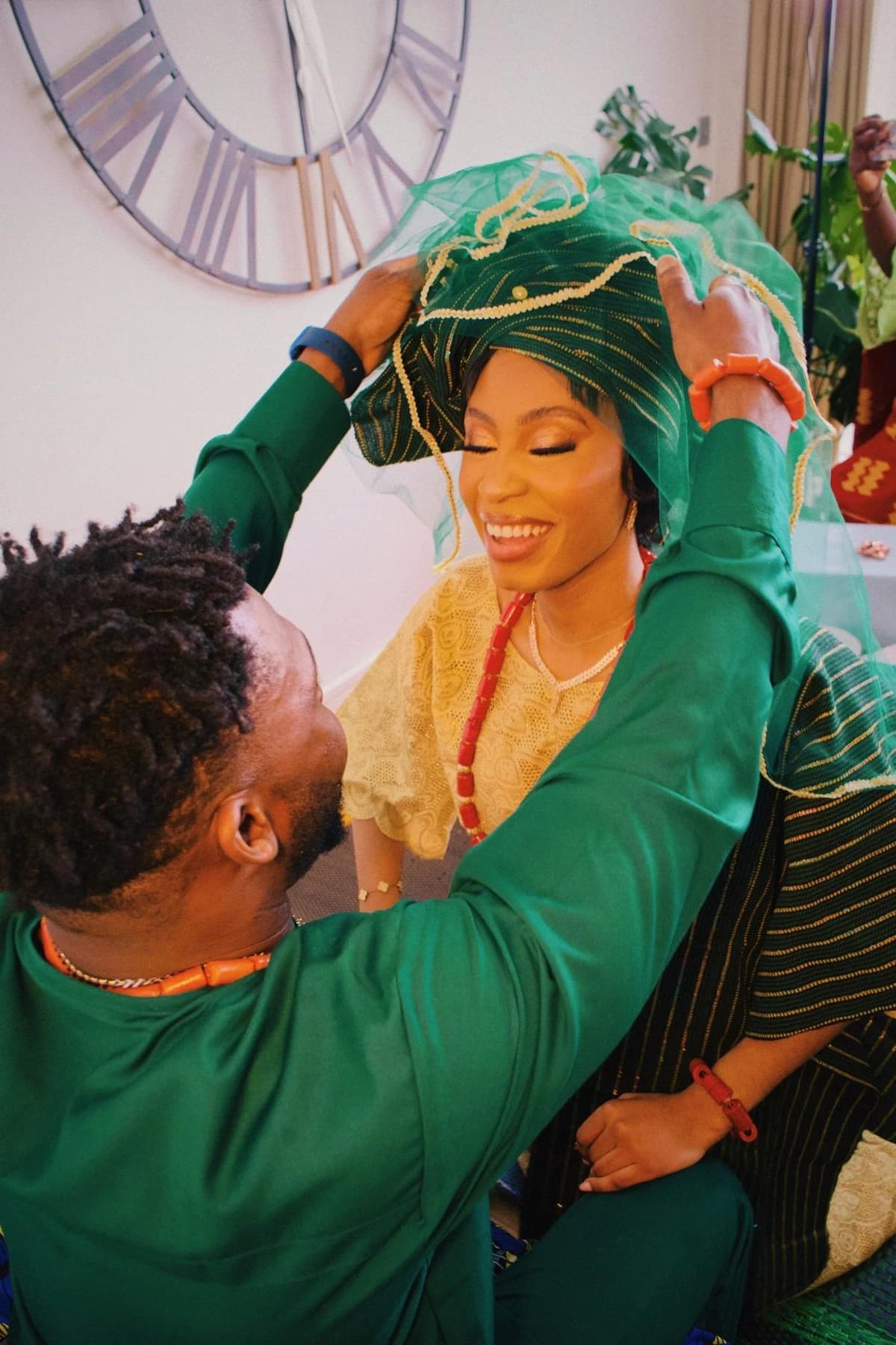
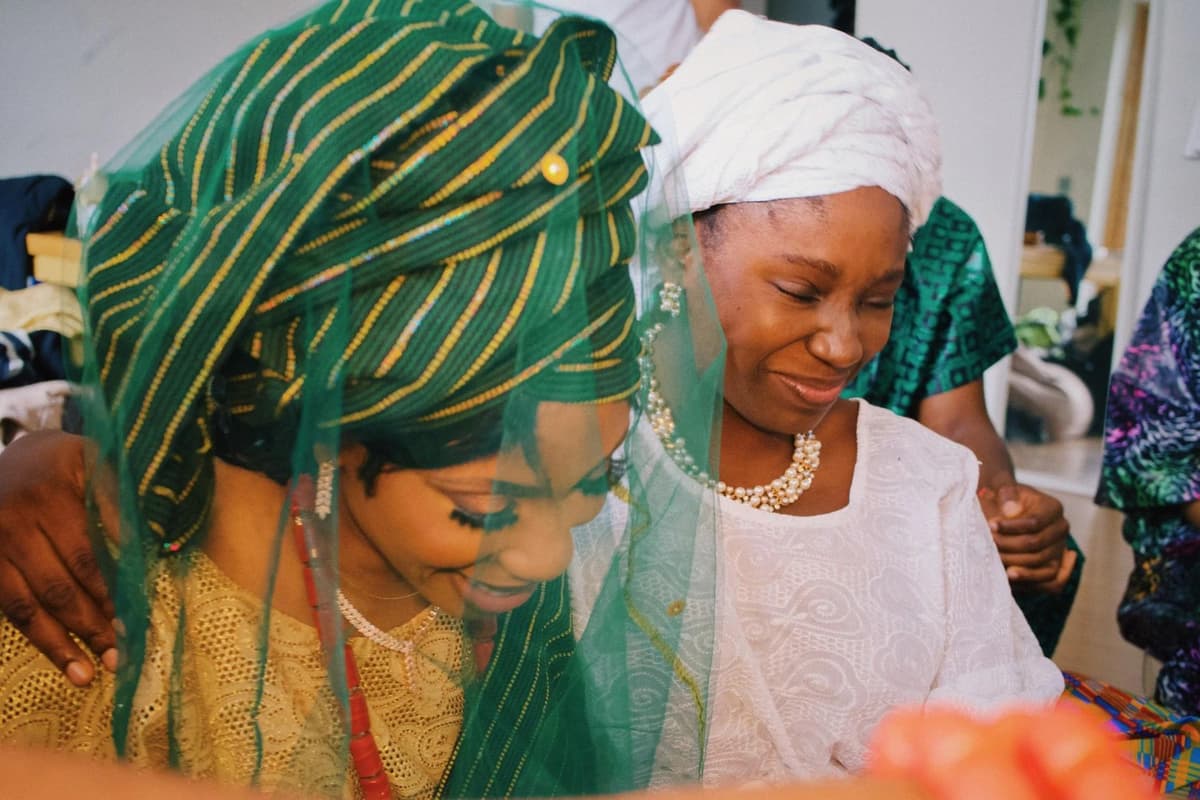
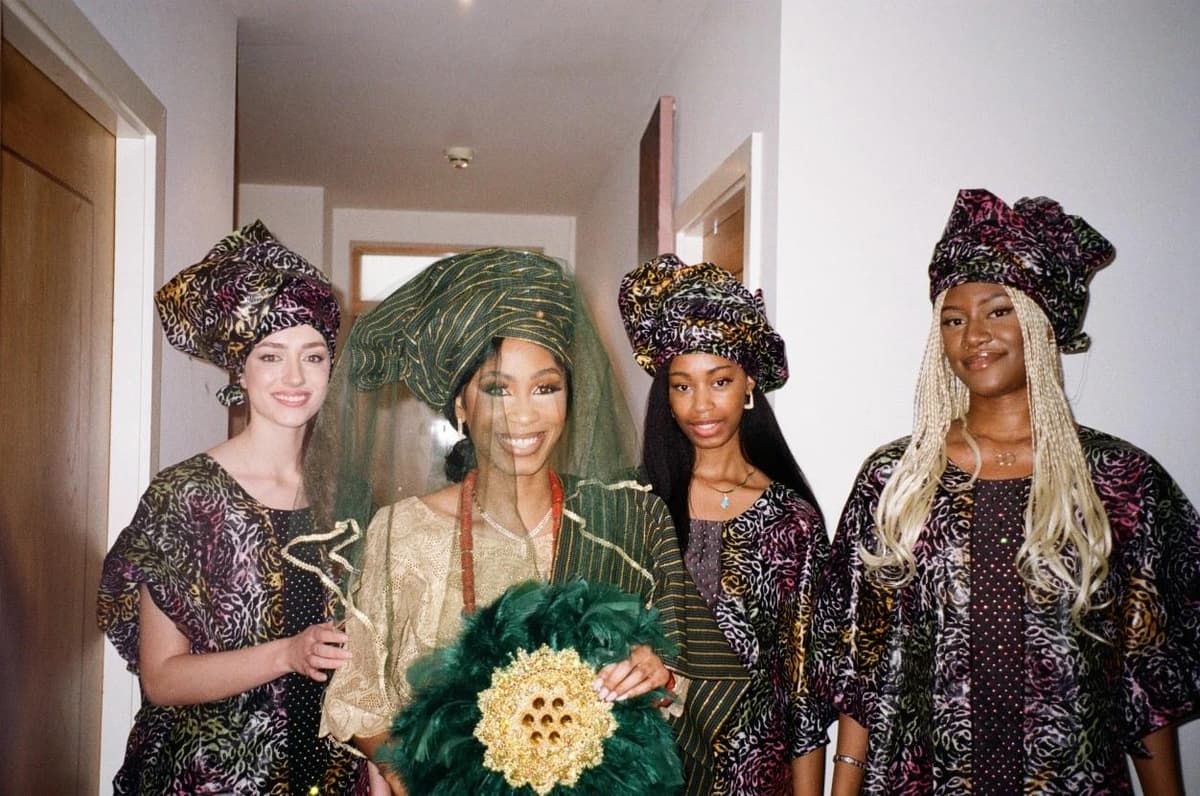
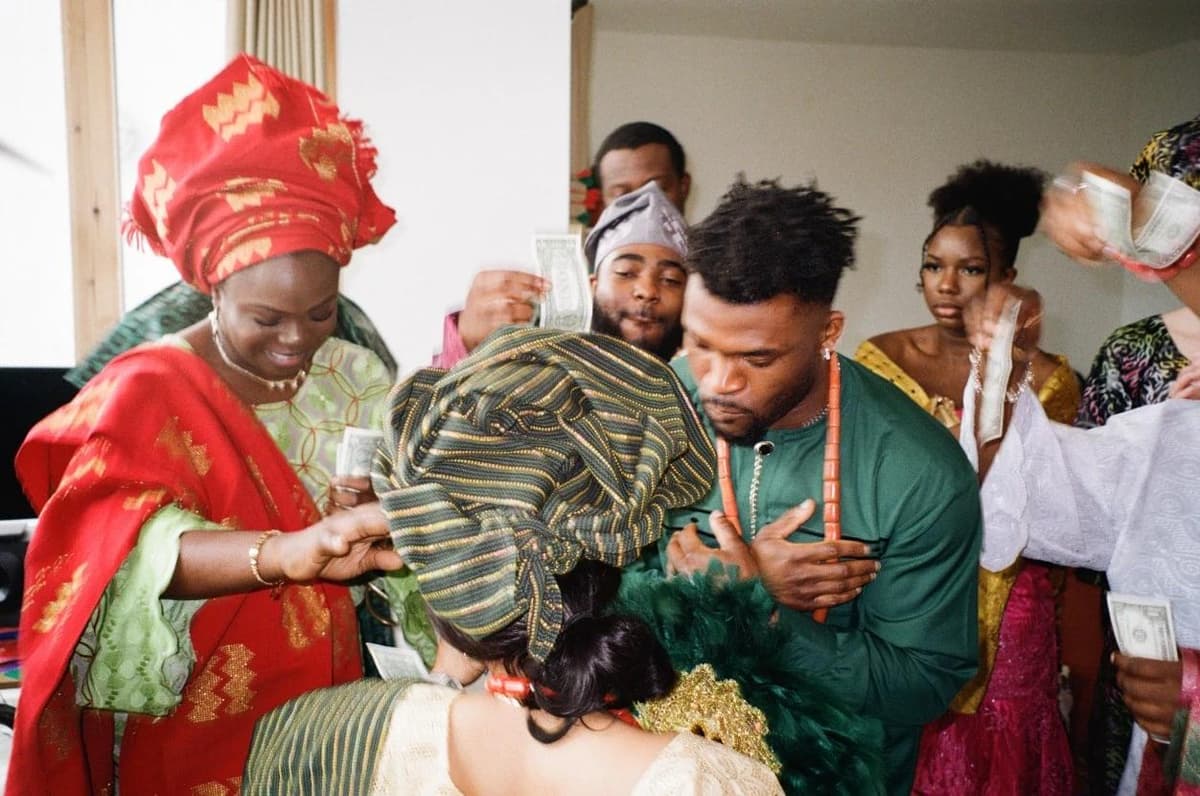
In a world where cultural identities are increasingly fluid and interconnected, the Nigerian marriage ceremony stands as a bastion of tradition, a powerful symbol of continuity and community. It is a time when families unite, histories are honored, and the vibrant tapestry of Nigerian culture is displayed in all its richness and diversity. This photo series delves into the heart of these ceremonies, capturing the essence of how the Nigerian diaspora reconnects with their roots and origins through these deeply meaningful events.
The Significance of Marriage in Nigerian Culture
Marriage in Nigeria is not just the union of two individuals; it is the coming together of families, communities, and sometimes entire villages. It is a rite of passage that is steeped in tradition, a ceremony that has been passed down through generations, and one that continues to be of paramount importance in Nigerian society. The wedding day is seen as a celebration of love, but it is also a reaffirmation of cultural identity, a moment when the past, present, and future converge.
In Nigeria, marriage ceremonies vary widely across the country’s numerous ethnic groups, each with its own unique customs and traditions. Whether it is the Yoruba, Igbo, Hausa, or any of the other ethnic groups, each brings its own distinct flavor to the marriage ceremony, creating a rich and diverse cultural landscape. However, despite these differences, there is a shared reverence for the institution of marriage that transcends ethnic boundaries.
The Nuance of Tradition: A Blend of Old and New
One of the most fascinating aspects of Nigerian marriage ceremonies is the way in which they blend old and new traditions. While some elements of the ceremonies have remained unchanged for centuries, others have evolved over time, influenced by modernity and the global nature of the Nigerian diaspora.
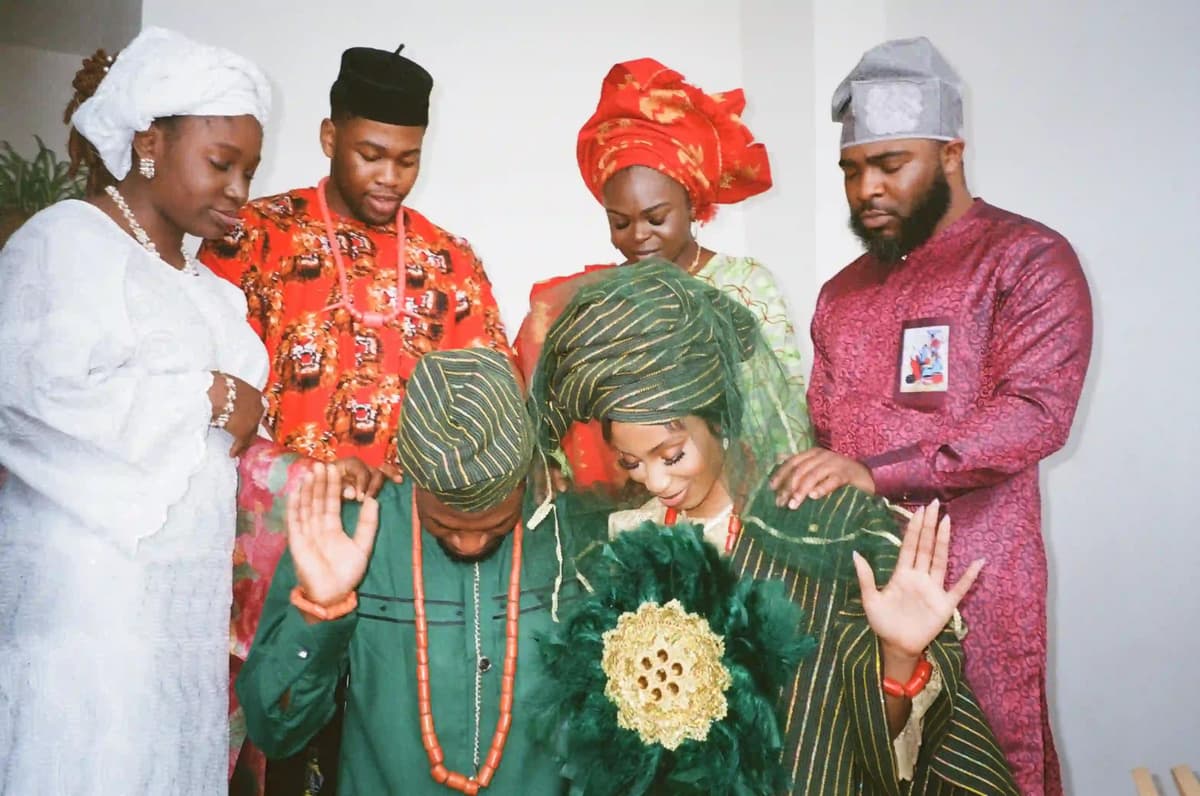
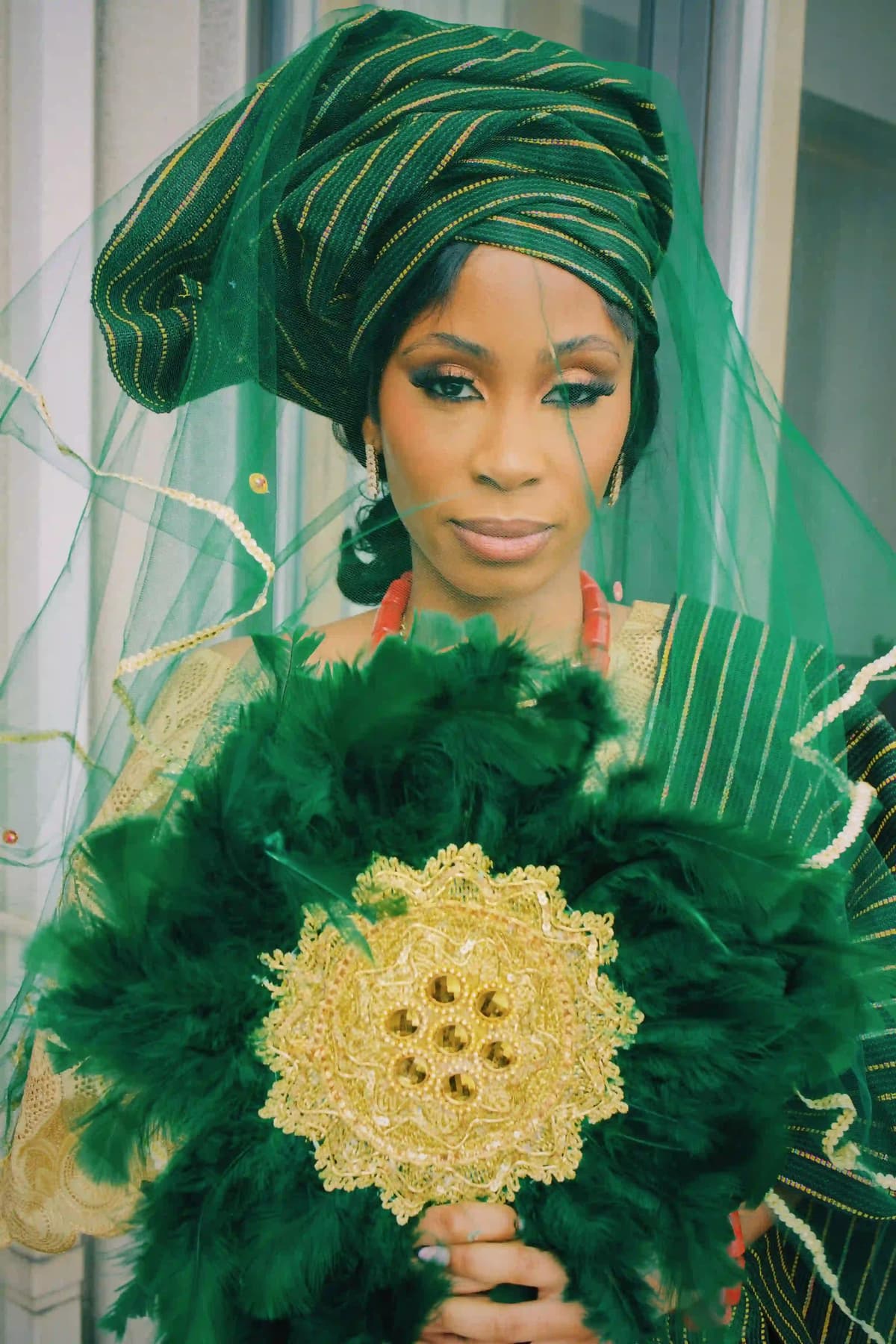
Traditional attire plays a significant role in these ceremonies, with the bride and groom often donning outfits that reflect their ethnic heritage. For the Yoruba, the bride might wear a colorful gele (headwrap) and a buba (blouse) paired with an iro (wrapper), while the groom might wear an agbada, a flowing wide-sleeved robe. The Igbo bride might be adorned in a George wrapper with coral beads, and the groom in isiagu, a traditional patterned shirt. These garments are more than just clothing; they are symbols of cultural pride and identity.
However, it is not uncommon to see a blend of traditional and Western attire, particularly in the case of Nigerian couples living abroad. The bride might start the day in a traditional outfit for the cultural ceremony and then change into a white wedding gown for the church service, reflecting a fusion of Nigerian and Western cultures. This blend of old and new is a testament to the dynamic nature of Nigerian culture, which continues to evolve while staying deeply rooted in tradition.
The Role of the Nigerian Diaspora
For Nigerians living abroad, marriage ceremonies take on an added layer of significance. These events are often seen as an opportunity to reconnect with their roots, to reaffirm their cultural identity, and to pass on these traditions to the next generation. The Nigerian diaspora, spread across the globe, has created a unique cultural phenomenon where traditions are not only preserved but also adapted to new environments.
Diaspora weddings are often grand affairs, with family and friends traveling from all over the world to attend. These events are not just about the union of two people but also about the celebration of Nigerian culture in a foreign land. They are a way for the Nigerian community to come together, to share their heritage with the world, and to ensure that these traditions continue to thrive, even far from home.
The photo series captures the essence of these diaspora weddings, showcasing how Nigerians living abroad stay connected to their cultural roots. From the meticulous preparation of traditional dishes to the elaborate dance routines performed during the reception, these images tell the story of a people who, despite the distance from their homeland, remain deeply connected to their culture.
The Photographer’s Lens: Capturing the Essence of Culture
Photography is a powerful medium for storytelling, and in this series, the photographer’s lens serves as a bridge between the past and the present, the old and the new. Each photograph is a window into the world of Nigerian marriage ceremonies, offering viewers a glimpse into the beauty, complexity, and significance of these events.
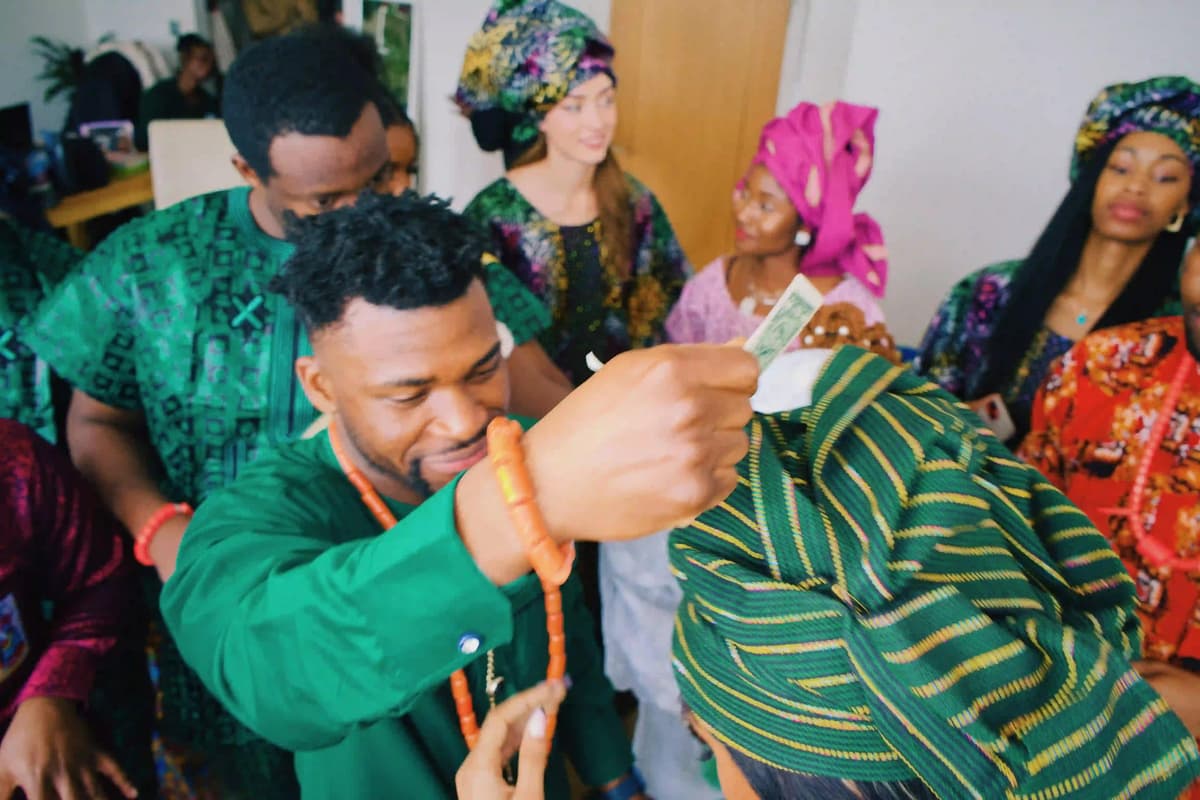
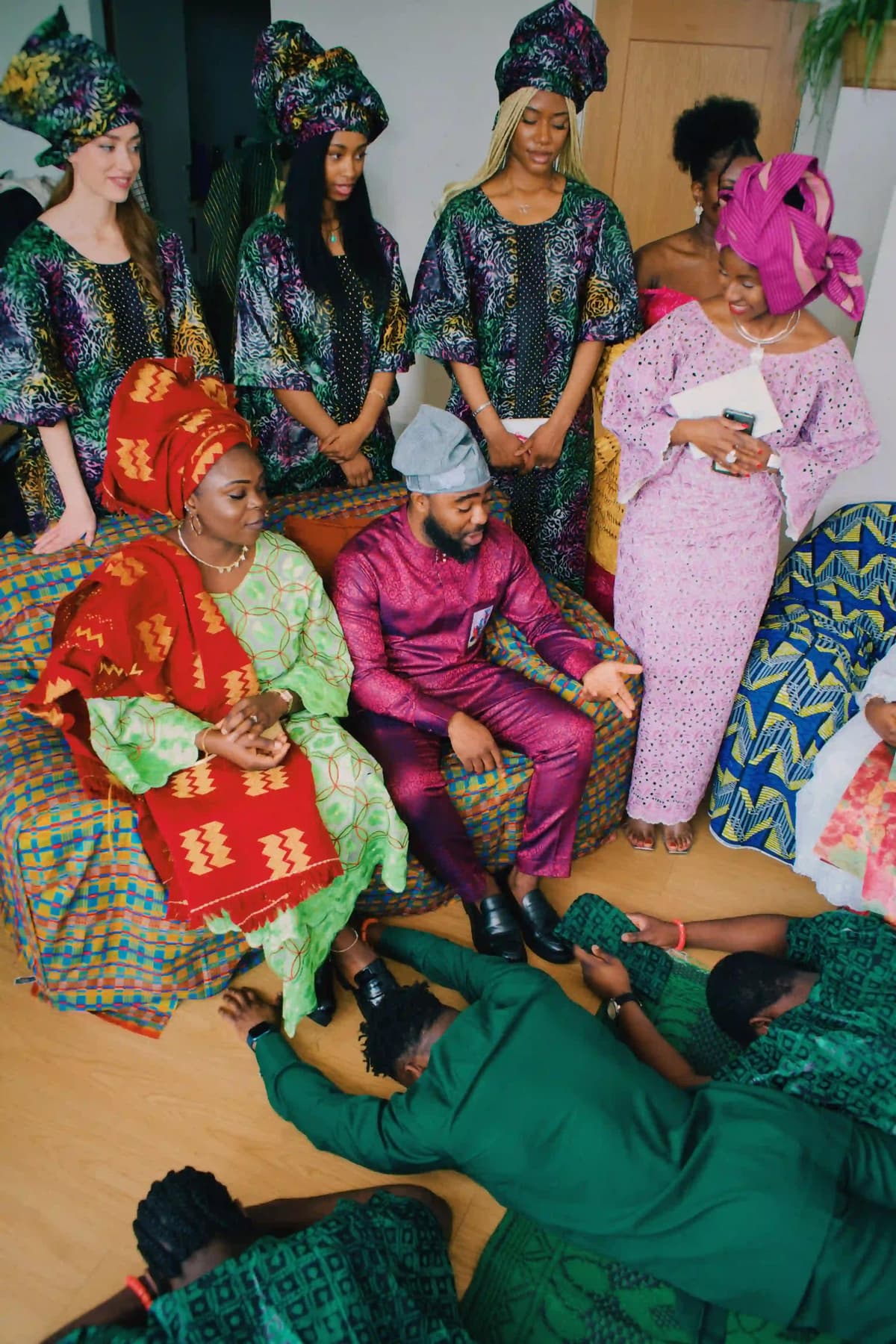
The photographer focuses on the details that make these ceremonies so special—the intricate patterns of the traditional attire, the joyful expressions of the bride and groom, the solemn moments of prayer and blessing, and the exuberant celebrations that follow. These images capture the essence of what it means to be Nigerian, to belong to a culture that is rich in tradition and history, yet open to change and adaptation.
Through the lens, we see the pride in the eyes of the elders as they witness the continuation of traditions they have upheld for decades. We see the excitement of the younger generation, eager to participate in these rituals, even as they navigate their identities in a globalized world. The photographer’s work is a celebration of Nigerian culture, but it is also a reminder of the importance of tradition in maintaining a sense of identity and belonging.
The Nuances of Ceremony: From Engagement to Reception
Nigerian marriage ceremonies are multifaceted events that often begin long before the wedding day itself. The traditional engagement, known in Yoruba culture as the “Introduction” or “Mojuba,” is a key part of the marriage process. It is during this event that the families of the bride and groom formally meet and negotiate the bride price—a symbolic gesture that underscores the value of the bride and the union being formed.
The engagement ceremony is a vibrant affair, filled with music, dance, and the exchange of gifts. The groom’s family presents the bride’s family with items such as kola nuts, alligator pepper, and money, each carrying symbolic meaning. The bride, often veiled, is presented to the groom’s family, and her acceptance marks the formal agreement of the union. This event is rich in symbolism, reflecting the deep respect for family and tradition that is central to Nigerian culture.
The wedding day itself is a spectacle of color, music, and celebration. The church or mosque service is followed by a traditional ceremony, where the couple is adorned in traditional attire that reflects their ethnic heritage. The reception is a grand celebration, often lasting late into the night, with elaborate feasts, dance performances, and the famous money spray—a custom where guests shower the couple with money as a sign of blessing and prosperity.
In the diaspora, these ceremonies are sometimes condensed or adapted, but they retain the same core elements that make them so meaningful. The photo series captures these nuances, from the solemn moments of the engagement to the joyous celebrations of the reception, showcasing the depth and complexity of Nigerian marriage ceremonies.
A Celebration of Love and Culture
At its heart, this photo series is a celebration of love—love for family, for tradition, for culture, and for one another. It is a testament to the resilience of Nigerian culture, which continues to thrive and evolve, even in the face of modernity and globalization. Through these images, we see how the Nigerian diaspora maintains a strong connection to its roots, using marriage ceremonies as a way to honor the past, celebrate the present, and look forward to the future.
This series serves as a powerful reminder that, no matter where we are in the world, our cultural traditions are a vital part of who we are. They connect us to our ancestors, bind us to our communities, and give us a sense of identity and belonging. For the Nigerian diaspora, these marriage ceremonies are more than just a celebration of love; they are a reaffirmation of their cultural heritage, a way to keep their traditions alive, and a bridge that connects them to their homeland.
In capturing the essence of Nigerian marriage ceremonies, this photo series offers a poignant reflection on the importance of tradition in a rapidly changing world. It is a tribute to the beauty and richness of Nigerian culture, a celebration of love, and a testament to the enduring power of tradition.